where
Antakya
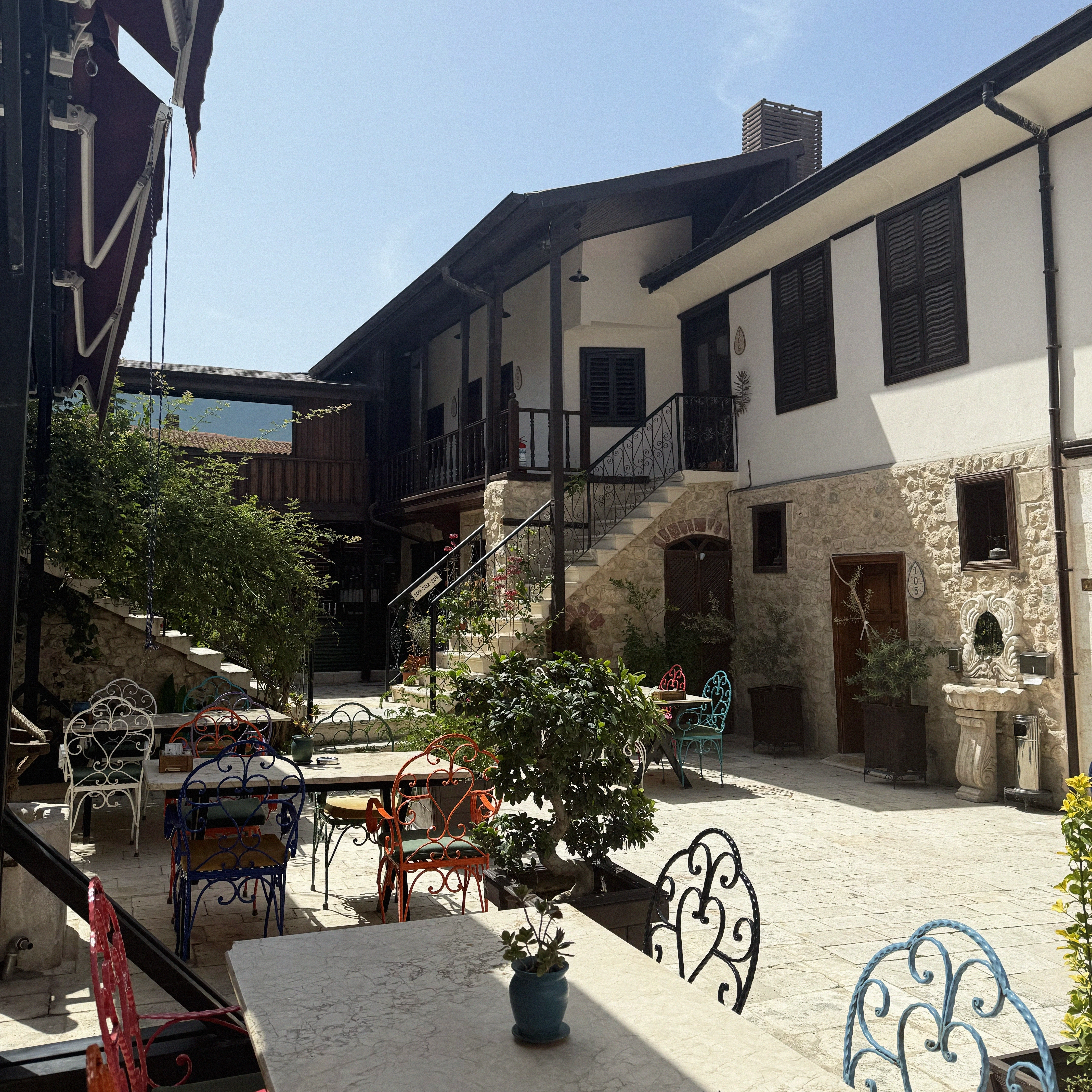
Known historically as Antioch, Antakya is one of the oldest inhabited cities in the world, shaped by centuries of trade and migration.
Antakya is known for its diverse religions and communities, rich gastronomy, historic streets and everyday life along the Orontes River. Mosques, churches and synagogues, stand side by side, reflecting the unique culture and identity of the city.
When
Disaster
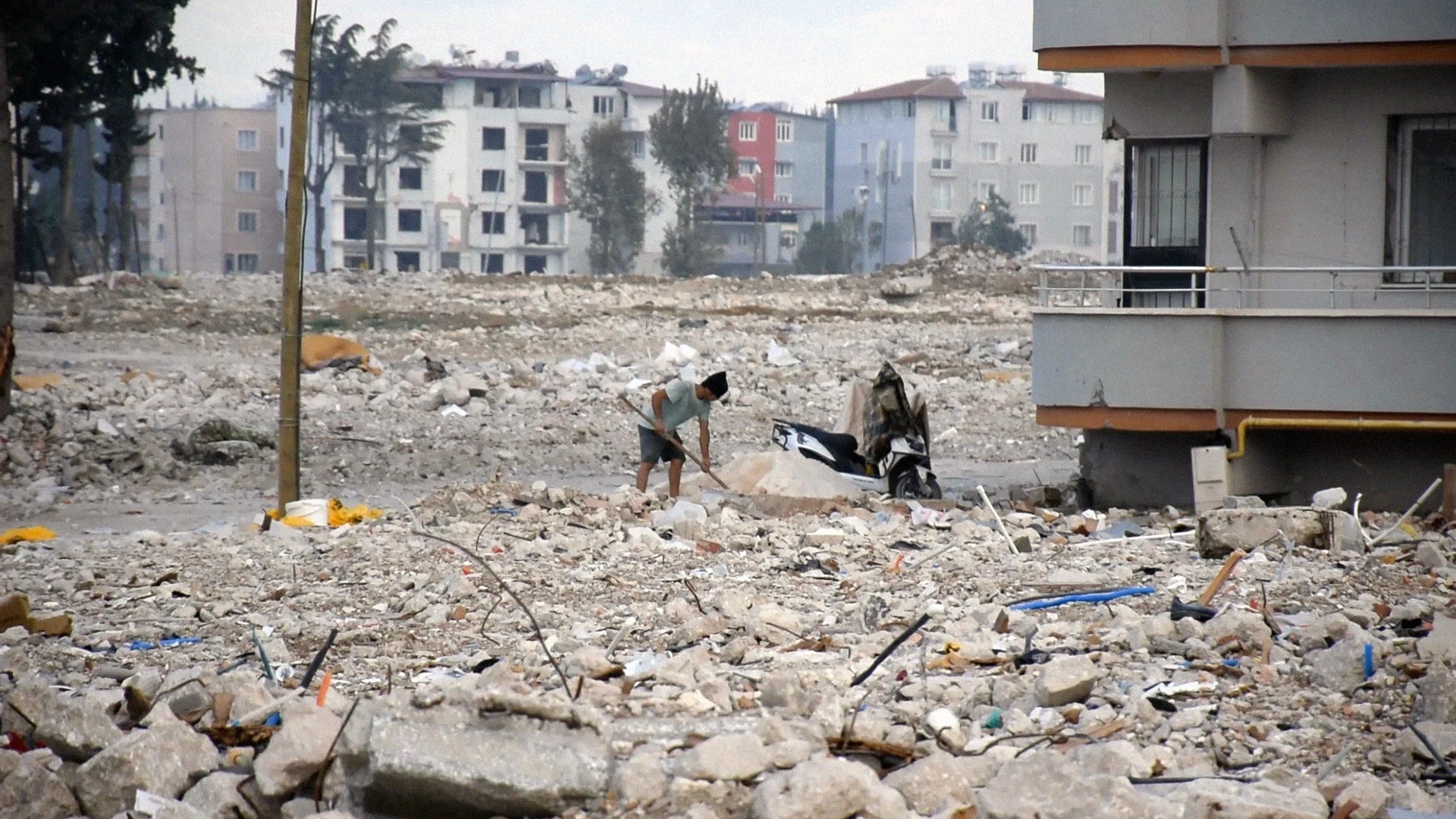
On 6 February 2023, at 04:17, a 7.7-magnitude earthquake centred in Kahramanmaraş’s Pazarcık district was followed by a 7.6-magnitude quake, centred in the Elbistan district. These earthquakes brought about the largest disaster within Türkiye’s borders in the past 50 years, both in terms of loss of life and the scale of destruction. The Kahramanmaraş earthquakes resulted in 50,096 officially reported deaths.
today
Recovery
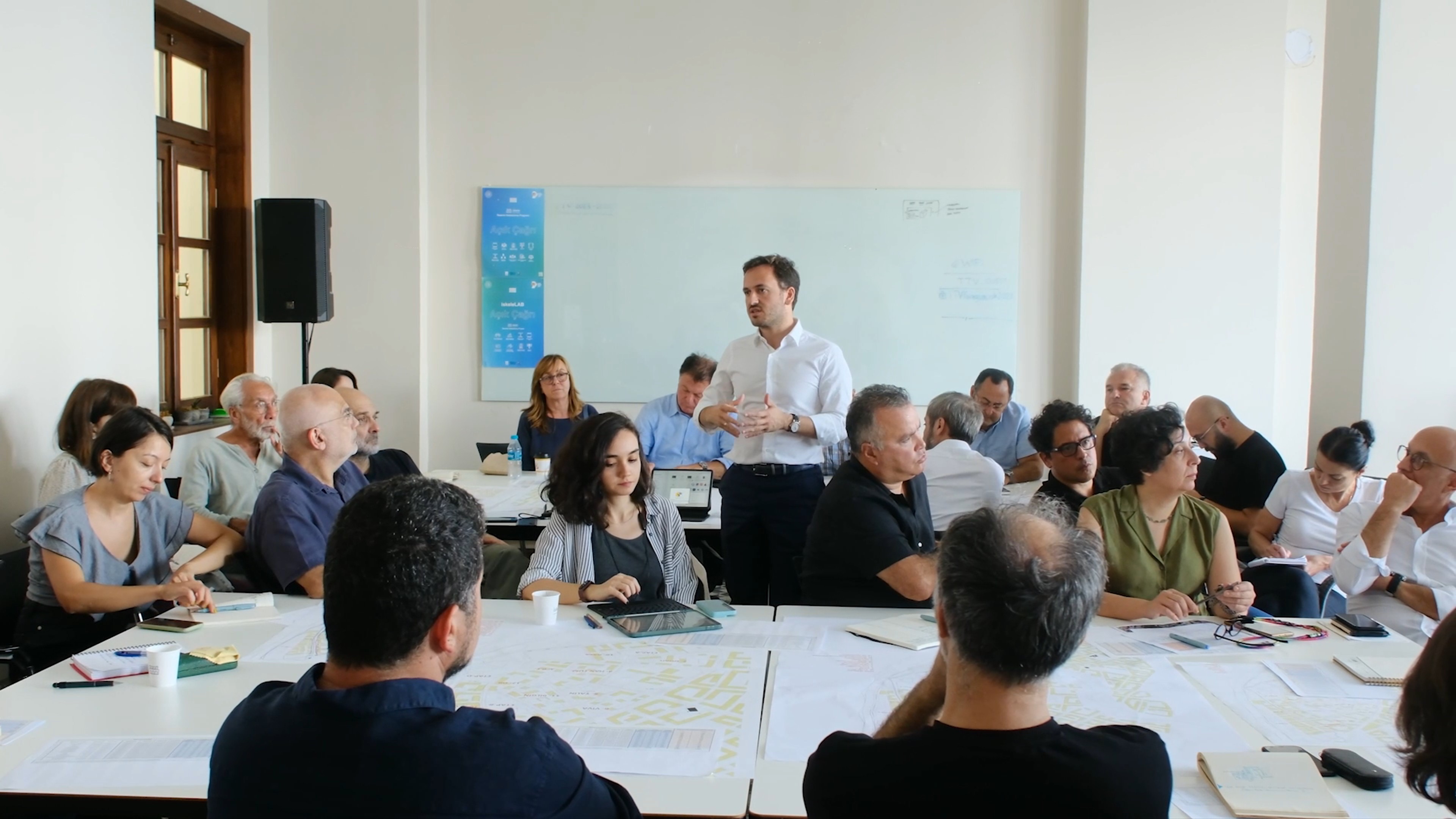
What began as an unparalleled act of collaboration is becoming physical reality. More than 1,000 people across 53 teams came together to imagine a new future for Antakya. In just 8 months after the earthquakes the plans for the city were presented. Three years after the earthquake, the first inhabitants are moving into their homes.
our dream
Build back better
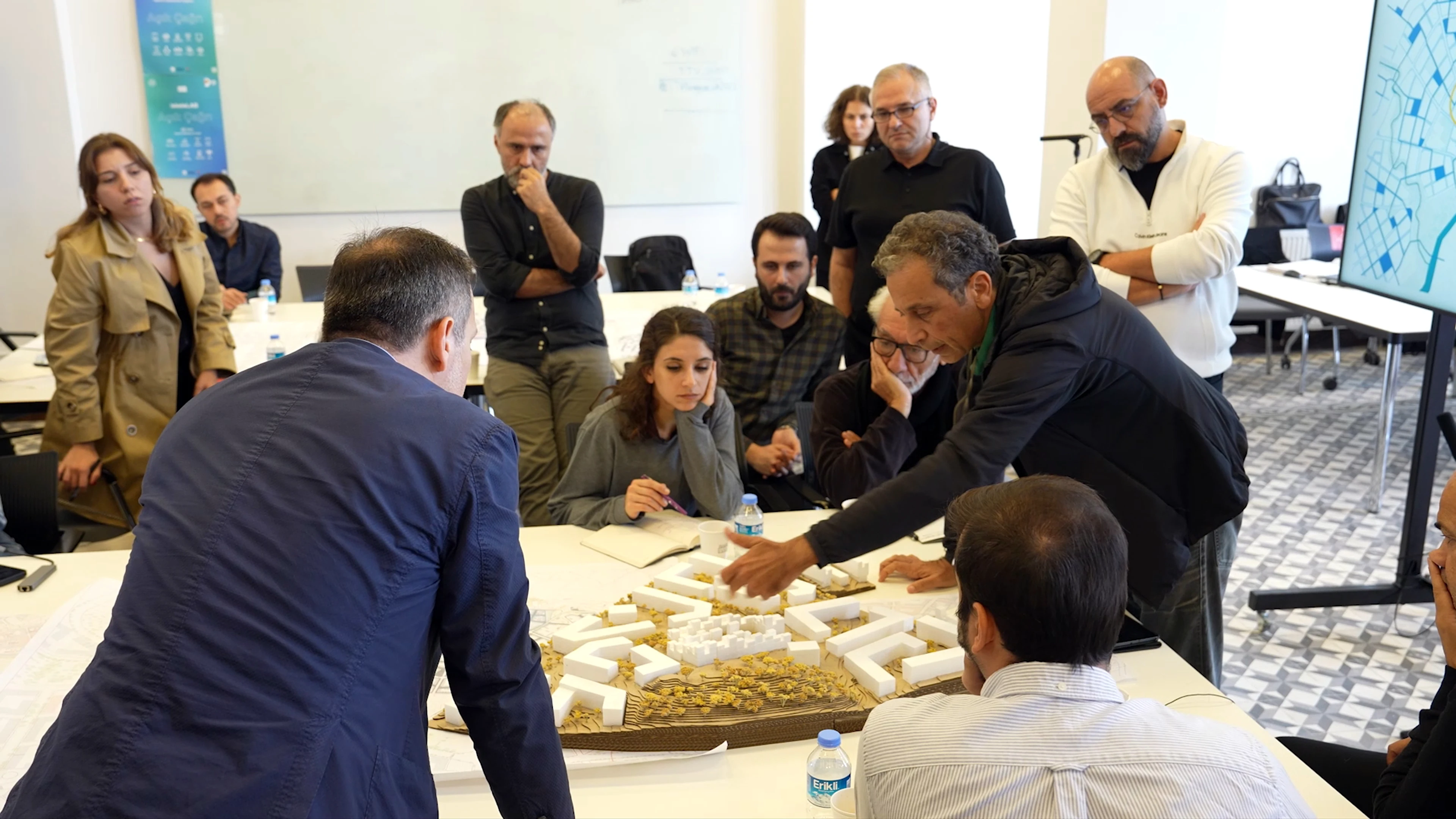
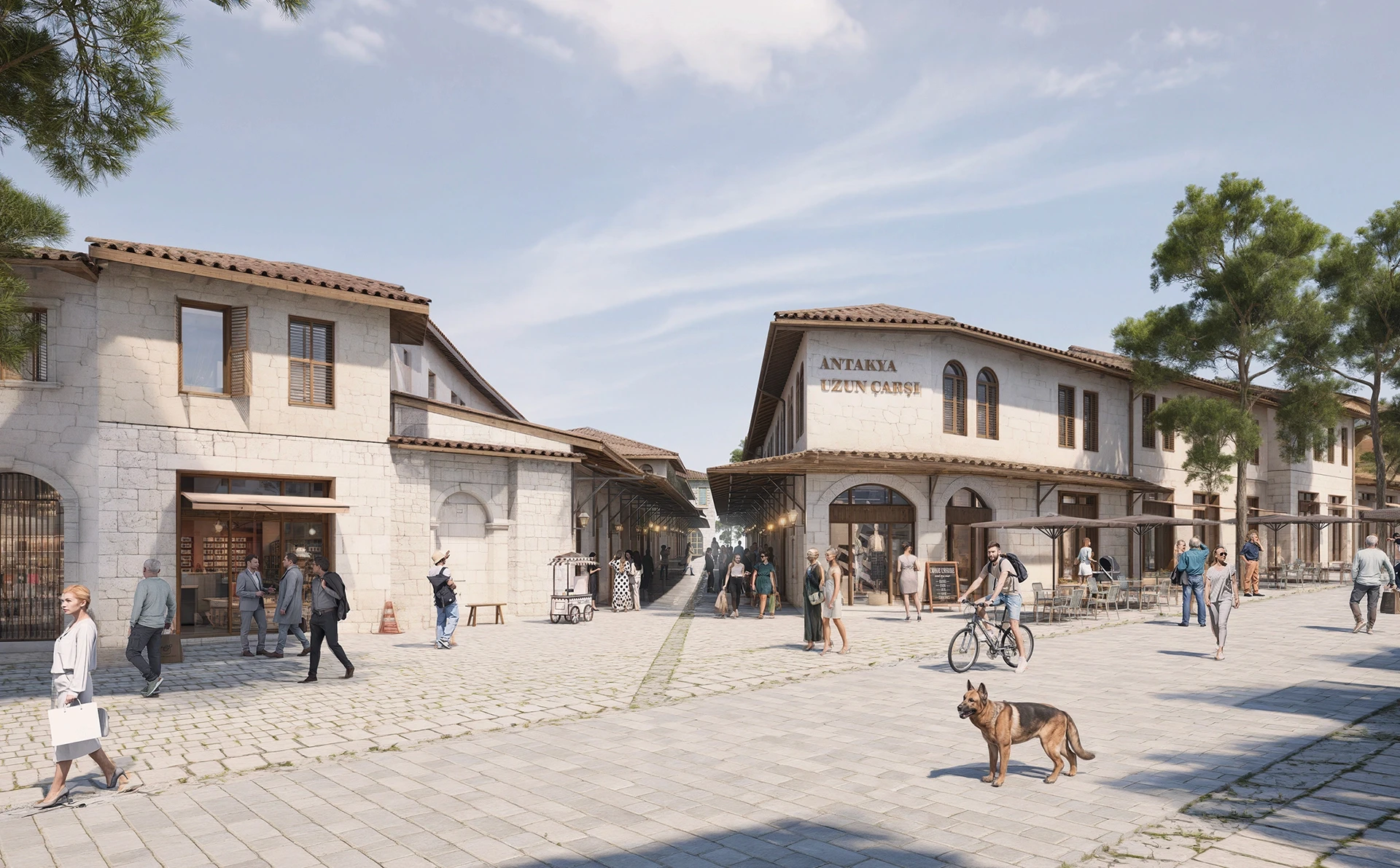
Our dream was to build back better. We wanted to create a more resilient, green and humane city shaped together with the people of Antakya, while preserving the memory, history and diverse cultures that define it.
50,000
People lost their lives
35,355
buildings were destroyed
180,000
severely damaged buildings
80
consultation events during design
1,000+
people contributed to community workshops
53
teams contributed to the project
About us
What is the Humane Urbanism Foundation?
The Humane Urbanism Foundation is a global non-profit organisation and collaborative platform working to transform how cities prepare for and recover from extreme conditions such as hazards, conflict and climate-related crises.
Most recovery processes focus only on the physical city: roads, housing, infrastructure and planning. Humane Urbanism begins with people. We bring together local communities, governments, designers, researchers, NGOs and global institutions to establish recovery processes that are not only efficient, but humane. Our role is not to impose solutions, but to create spaces where local knowledge and global expertise can work together.
Duality of our cities
City recovery is more than rebuilding, it’s about restoring belonging, memory and everyday life. When the humane and urbanism work together, recovery becomes more resilient, inclusive and meaningful.
How we create change
Turning collaboration into urban recovery
We convene networks and bring together communities, municipalities, NGOs, academics, designers and global institutions around the same table to talk about our cities. By creating spaces for dialogue, we help city stakeholders to engage in urban resilience before, during and after extreme conditions.
We connect local knowledge with global expertise, helping stakeholders translate ideas, conversations and strategies into collaborative long-term recovery planning. We bridge the gap between policy, planning and implementation.
We translate global research, lived experiences, case studies and urban expertise into accessible tools and shared methods for cities facing crisis. By reflecting on our projects, documenting processes and continuing dialogue with partners and communities, we turn action into lessons that strengthen future recovery efforts globally.